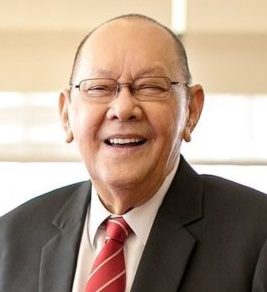
The Billionaire Behind 25% of PH GDP: Eduardo Cojuangco Jr.'s Fortune
Eduardo "Danding" Cojuangco Jr. was a figure whose name resonated through the corridors of Philippine power, business, and even controversy for decades. A businessman and politician of immense influence, his life story is intertwined with the economic and political landscape of the Philippines. While his official
Eduardo Cojuangco Jr. net worth was estimated at an impressive $1.4 billion at its peak, the true measure of his economic impact goes far beyond personal wealth. At one time, his sprawling business empire was estimated to account for a staggering 25% of the gross national product (GNP) of the Philippines, making him an economic titan whose decisions could ripple across the entire nation. From his birth in Paniqui, Tarlac, in June 1935, to his eventual passing, Cojuangco sculpted a legacy that remains a subject of both admiration and debate.
This article delves into the remarkable journey of Eduardo Cojuangco Jr., exploring the foundations of his fortune, his strategic mastery in building an unprecedented business empire, his foray into politics, and the controversies that shadowed parts of his career. Understanding his influence provides critical insights into the dynamics of power and wealth in the Philippines.
The Architect of an Empire: San Miguel Corporation and Beyond
At the heart of Eduardo Cojuangco Jr.'s vast fortune was San Miguel Corporation (SMC), a name synonymous with Philippine industry. Cojuangco served as the chairman of SMC, transforming it from a dominant food and beverage company into a diversified conglomerate that shaped daily life for millions. Under his stewardship, SMC became not just the largest food and beverage corporation in the Philippines but also a powerhouse across Southeast Asia.
His leadership style was characterized by bold vision and strategic expansion. While initially known for its iconic beer and food products, Cojuangco spearheaded SMC's diversification into a wide array of sectors. This included packaging, energy, power generation, oil refining, infrastructure, and even telecommunications. This aggressive diversification strategy was a key factor in how his business empire grew to command such a significant portion of the nation's economic output. Imagine a single entity having its hands in everything from what you drink and eat, to how you commute, and the power that lights your home – that was the reach of SMC under Cojuangco.
This multifaceted approach not only insulated SMC from market fluctuations in any single sector but also cemented its indispensable role in the national economy. The sheer scale of SMC’s operations meant it was a major employer, investor, and contributor to the national treasury. It's difficult to discuss
Eduardo Cojuangco Jr.'s $1.4 Billion Net Worth: San Miguel's Chairman without acknowledging San Miguel Corporation as the primary engine of his financial might and economic leverage.
Practical Insight: Diversification, as demonstrated by Cojuangco, is a powerful strategy for mitigating risk and fostering growth. For businesses looking to scale, exploring complementary industries or developing new revenue streams can build resilience against market volatility. However, it requires careful management and strategic acumen to ensure quality across all ventures.
Political Influence and Economic Clout: A Dual Legacy
Eduardo Cojuangco Jr.'s life was not confined to boardrooms; he was also a prominent figure in Philippine politics. His political career began relatively early, serving as the Governor of Tarlac, his home province, from 1967 to 1969. Following this, he was elected as a Member of the Philippine House of Representatives, representing Tarlac's First District from 1969 to 1972. These political roles provided him with a deeper understanding of governance and policy, which inevitably intersected with his growing business interests.
His political ambition reached its zenith in 1992 when he ran for the Philippine presidency. While he ultimately finished second, his campaign showcased the extensive network and influence he had cultivated over the years. Following this electoral bid, he founded the Nationalist People's Coalition (NPC) in 1992, a political party that he continued to chair as chairman emeritus, maintaining his political relevance and influence long after his direct participation in electoral politics waned.
The interplay between his political and economic power was a defining characteristic of his career. Being a close associate of former President Ferdinand Marcos, Cojuangco's political connections often facilitated his business ventures, and conversely, his vast economic resources could support his political aspirations. This dynamic is a common, though often controversial, aspect of many developing economies where powerful individuals hold sway in both public and private sectors. His ability to navigate both realms allowed him to consolidate power and further expand his empire, cementing his status as a key player in the nation's trajectory.
Navigating Controversy: The Coco Levy Fund Saga
No comprehensive account of Eduardo Cojuangco Jr.'s life and
Eduardo Cojuangco Jr. net worth would be complete without addressing the significant controversies that marked parts of his career, most notably the Coco Levy Fund Controversy. This dispute involved funds collected from coconut farmers during the Marcos era, ostensibly for the development of the coconut industry. However, a significant portion of these funds was allegedly diverted and used to acquire various assets, including a controlling stake in the United Coconut Planters Bank (UCPB).
The government alleged that Cojuangco utilized maximum coconut levy funds to gain control of a 72% stake in UCPB, effectively making him the largest businessperson in the country through these means. Critics argued that these funds, which rightfully belonged to the millions of small coconut farmers, were instead used for the benefit of a select few, including powerful associates of the Marcos family. Cojuangco consistently denied these allegations, maintaining that his acquisitions were legitimate.
The Coco Levy Fund case dragged on for decades, becoming one of the most enduring symbols of cronyism and economic injustice in Philippine history. While legal battles unfolded, these controversies cast a long shadow over Cojuangco's achievements, illustrating the complex and often contentious nature of accumulating vast wealth in a developing nation. Understanding this aspect is crucial for a complete picture of
Eduardo Cojuangco Jr.'s Net Worth & Controversial Business Empire. The saga highlighted the ethical dilemmas and public accountability expected of individuals who wield such immense economic and political power.
The Lasting Impact and Legacy
Eduardo Cojuangco Jr.'s legacy is a multifaceted tapestry woven with threads of extraordinary entrepreneurial success, immense political influence, and enduring controversy. His life provides a compelling case study in the intersection of business and politics, demonstrating how an individual can shape an entire nation's economy. The sheer scale of his business empire, which at one point represented a quarter of the Philippines' GNP, underscores his profound impact on job creation, infrastructure development, and national revenue.
Beyond the numbers, Cojuangco was known for his strategic mind and unwavering resolve. He built San Miguel Corporation into an Asian conglomerate, leaving behind a diversified and resilient business entity that continues to thrive. His political ventures, though not always culminating in electoral victory, showcased his ambition and his desire to influence national policy.
For future entrepreneurs and business leaders, Cojuangco's story offers valuable lessons in vision, strategic growth, and the importance of diversification. However, it also serves as a cautionary tale about the complexities and ethical challenges that can arise when business and political power become too intertwined. His life prompts reflection on accountability, corporate governance, and the broader responsibility of economic giants towards society.
Conclusion
Eduardo "Danding" Cojuangco Jr. was a figure of colossal stature in the Philippines. His estimated
Eduardo Cojuangco Jr. net worth of $1.4 billion, while impressive, only hints at the true extent of his influence. As the chairman who transformed San Miguel Corporation into a regional titan and whose business empire once constituted 25% of the national economy, his impact was undeniable. From his political roles in Tarlac to his presidential bid, Cojuangco navigated both the boardrooms and the political arena with a distinctive style. Yet, his legacy is not without its complexities, forever linked to the contentious Coco Levy Fund controversy. Ultimately, Cojuangco's life serves as a powerful testament to the potential for a single individual to shape a nation's destiny, leaving behind an indelible mark on the economic and political fabric of the Philippines.